Replacing a garage door is one of those home projects that looks simple on paper but reveals a handful of decisions once you start measuring and clearing space. Do you reuse the opener? Is the frame square after 30 years? Will the new door match the Craftsman trim or clash with vinyl siding? If you live in Mint Hill NC, a few local realities shape those choices: older subdivisions with established shade trees, summer humidity that encourages rust, and neighborhood covenants that sometimes dictate color and style. Prepare well and you get a smooth installation, a useful warranty, and a door that adds curb value rather than a week of headaches.
This guide walks you through practical preparation, from the first measurements to the last inspection. I lean on years of field experience installing and repairing doors, and on dozens of jobs in neighborhoods similar to Mint Hill. Expect concrete steps, the trade-offs you’ll face, and where to call professionals like Rise Up Garage Doors for service such as Garage Door Repair Mint Hill NC, Garage Door Installation Mint Hill NC, Garage Door Replacement in Mint Hill NC, or Garage Door Opener Repair in Mint Hill NC.
Why prep matters more than you think
A bad prep job turns a routine replacement into surprises that cost time and money. For example, installers arrive ready to mount new tracks, but the old header is rotted from a hidden leak. Or the opener is 15 years old; it can be adapted to the new door, but the belt drive is noisy and has intermittent faults, which means you lose the purpose of upgrading to a quieter, insulated door. I’ve seen homeowners save $300 by clearing the garage and labelling the old parts, only to spend $1,200 later because the installation had to pause for a structural repair. Spending an hour or two before the truck shows up prevents that.
First call: confirm scope and measurements
Before you buy a door, schedule a site visit or virtual consultation with a reputable installer. A local company such as Rise Up Garage Doors can advise on compatible door sizes, insulation values, and opener compatibility. During this step ask the installer to confirm:
- Rough opening dimensions, including width, height, and sideroom left and right. Headroom above the opening; low-headroom situations sometimes require special hardware. Building code or HOA limits on finish, color, or hardware style. Whether the existing opener can be reused or if a new opener is recommended.
If you prefer to get quotes first, take three measurements yourself and photograph the jambs, header, and ceiling above the door. Use a level and a tape measure; round down to the nearest eighth of an inch rather than up. If the wall above the header slopes or the concrete apron is uneven, note that. Installers will appreciate that detail and can price more accurately.
Clear the workspace and protect surfaces
Imagine a 300-pound panel being maneuvered into the opening while paint cans, ladders, bicycles, and a workbench crowd the floor. That picture explains why clearing the garage is priority number one. Move cars to the driveway or street, and relocate anything near the door path. For most single-car doors, you need at least a 10 foot depth from the threshold inward so installers can tilt panels during installation. For double-car doors, plan 15 feet.
Protect your home and landscaping. Lay down tarps or rosin paper on floors to catch grease and paint splatter. If the driveway or lawn gets heavy equipment traffic, place plywood sheets to prevent rutting and cracked concrete. If you have ornamental plants near the door, cover them or temporarily move them; they can be damaged by ladders and falling hardware.
A brief checklist before installers arrive
- Confirm access to electricity and a 115 volt outlet within 12 feet of the opening. Remove wall hangings, especially near the torsion spring area. Clear at least 10 feet inside the garage and 10 feet outside the door. Secure pets and small children away from the work area. Have a point person available to answer quick questions and make decisions.
Deciding whether to reuse the opener
Openers are a frequent pain point. Many homeowners want to keep a working opener to save money, but not all openers are good companions for new doors. Here are practical trade-offs.
If the opener is less than 10 years old and functions reliably, it can often be reused. Confirm the opener’s horsepower rating matches the new door’s weight. A 1/2 horsepower opener remains common for single doors, but insulated, steel, or heavier carriage-style panels may need 3/4 horsepower. If your opener is belt-driven and quiet, reusing it preserves that low-noise benefit. However, if the opener has intermittent failures, lacks modern safety features like rolling code remotes, or is noisy, replacement is usually the smarter choice.
If you opt for a new opener, consider models with battery backup if you live in areas where storms occasionally knock out power. New openers also support smart controls if you want alerts and remote access. For services like Garage Door Opener Repair in Mint Hill NC, a local technician can both diagnose the existing unit and recommend a replacement that aligns with the new door.
Inspect and document the frame and header
The header carries the torsion spring and anchors the tracks. If the header or side jambs are soft, water damaged, or bowed, repairs will be necessary before the new door goes up. You can perform a basic test by running a screwdriver along the jamb and header surfaces; soft spots indicate rot or delamination. Measure the plumb of the jambs with a level; if they lean more than 1/4 inch in 6 feet, mention it to your installer.
Document any issues with photos and notes. If you have a brick or stone facade, check mortar joints where the jamb meets the masonry. Older mortar can crumble when fasteners are driven, so installers sometimes use expansion anchors or structural epoxy for reinforcement. These downstream decisions affect cost and timeline, so it is better to find them before the crew arrives.
Decide on insulation, style, and material
This decision mixes aesthetics and physics. Insulation improves comfort and often reduces noise, but adds weight and cost. If your garage is unheated and used mainly for storage, a single-layer steel door is the lowest-cost durable choice. If you run a workshop in the garage or have living space above, consider an insulated door with an R-value appropriate to your needs. Typical options range from R-6 for basic insulation to R-18 or higher for heavyweight polyurethane panels.
Material choices include steel, aluminum, wood, and composite. Steel performs well in Charlotte-area climates, resists moisture when painted, and comes with baked-on finishes. Aluminum stays corrosion-resistant but dents more easily and offers fewer insulation options. Wood provides beauty but requires periodic maintenance. Composite doors mimic wood grain without the maintenance, but they cost more up front. When a homeowner asked me to replace a door in a colonial-style Mint Hill home, we matched a nine-pane window pattern in an insulated steel door with a faux-wood finish. The result was lower long-term maintenance with the heritage look she wanted.
Windows and ventilation need thought. Windows add light but can reduce R-value unless double-glazed. Vents are rarely necessary unless you store chemicals or run equipment that produces fumes, in which case plan for active ventilation.
Plan for hardware and trim
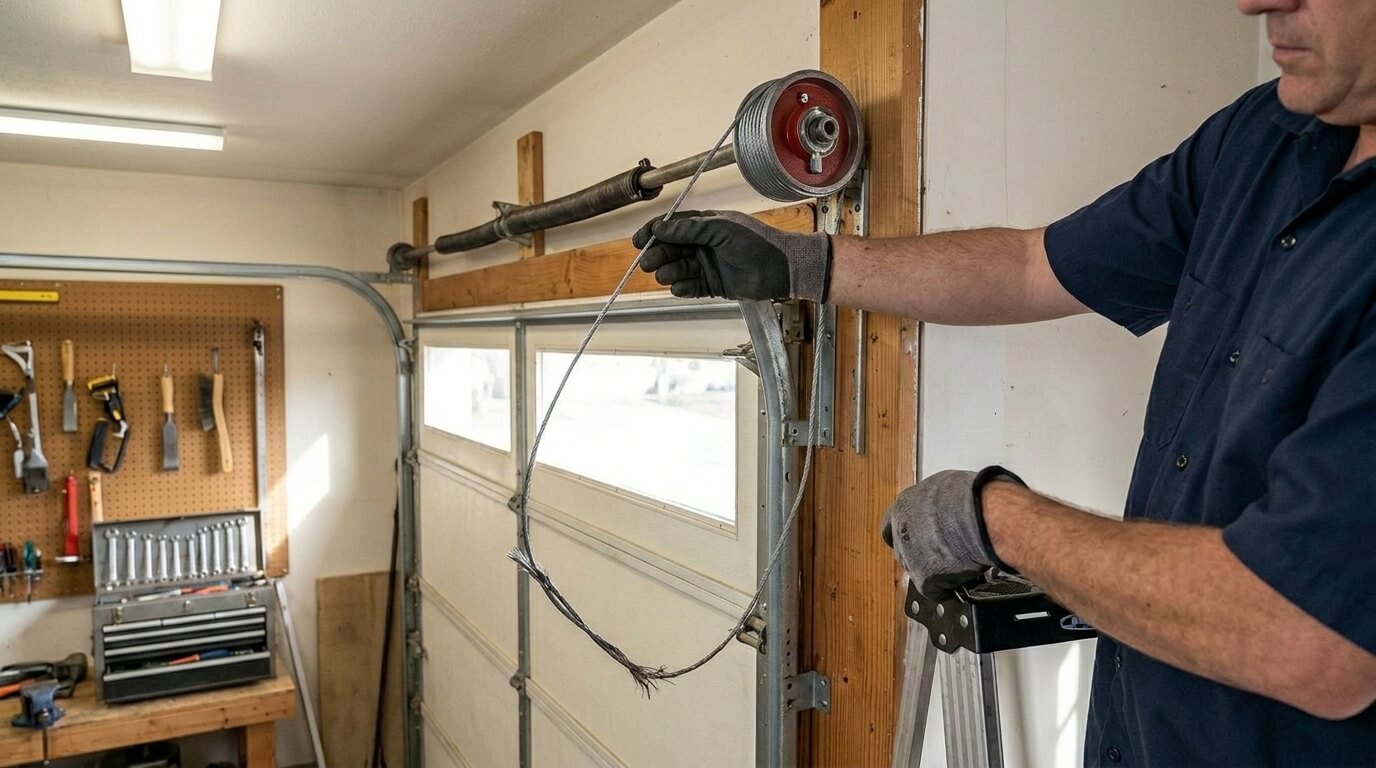
Hardware choices affect look and security. Torsion springs, track style, hinges, and rollers each have quality tiers. Nylon rollers with ball bearings roll smoother and are quieter than basic steel rollers. A homeowner willing to spend an extra $150 to $250 on higher-quality rollers will notice the difference over seasons. Torsion springs are safety-critical; insist on new springs with every replacement. Springs are rated by cycles; standard springs often yield about 10,000 cycles, which equates to roughly 7 to 10 years under typical residential usage. Higher-cycle springs cost more but last longer.
Trim is often overlooked. Casing around the door can hide gaps and improve curb appeal. If you have vinyl siding, ensure the new trim integrates without causing water infiltration. If installing carriage hardware, verify that decorative hinges are surface-mounted and do not load the door structurally. For homeowners aiming to resell within a few years, conservative hardware choices that match neighborhood expectations deliver the best return on investment.
Electrical and lighting considerations
If your garage lacks a nearby outlet for the opener, run a dedicated circuit. Openers draw surge current at startup, so a properly grounded 20 amp circuit is normal. If your house is older, have an electrician test outlet grounding and GFCI protection. Consider upgrading to a destination charging outlet if Garage Door Replacement in Mint Hill NC you have or plan an electric vehicle; that future-proofs the space without major disruption during installation.
Lighting also matters for safety and aesthetics. Install a motion-sensing light near the opening or upgrade existing fixtures to LED for consistent color and longer life. Smart lighting tied into the opener can add convenience, such as lights that flash when the door operates.
Protect yourself contractually
Before work starts, get a written estimate and contract. It should list door model, color, insulation rating, hardware details, spring cycle rating, warranty terms, and cleanup responsibilities. Confirm the timeline including weather contingency and whether the quoted price assumes using the existing opener. If the installer finds hidden damage, they should provide an amended estimate rather than proceeding without approval.
Ask about permits. In many Mint Hill neighborhoods, like elsewhere in Mecklenburg County, a permit is not required for simple replacements where the opening size and structural elements do not change. But when replacing a non-standard opening, or when adding electrical work, a permit often applies. A trustworthy installer will tell you whether a permit is needed and include permit fees in the estimate when applicable.
Day of installation: what to expect
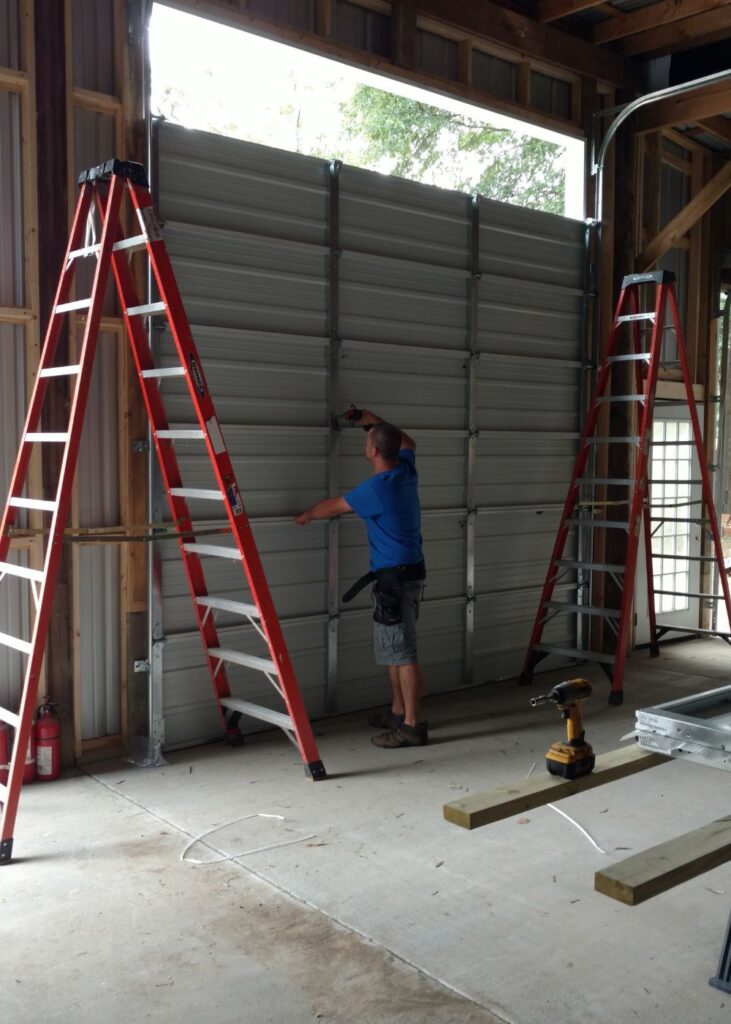
Most residential door replacements take between four and eight hours, depending on complexity. The team will remove the old door panels, disassemble the springs and tracks, and then install the new hardware. Expect noise and a scuffed driveway if heavy panels are set down; that is why plywood protection and cleared areas matter. The installers will balance the door, calibrate the opener travel and force settings, and test the safety sensors repeatedly.
Watch for these signs of a careful installation. The tracks should be plumb and aligned without gaps; the torsion shaft should be supported by a center bearing; fasteners should be appropriate for the substrate and not over-tightened. The installers should test the photoelectric safety reversal multiple times by placing a 2 by 4 across the threshold and confirming the door reverses. If anything looks rushed, ask questions. A reputable company like Rise Up Garage Doors will welcome questions and explain adjustments.
After installation: maintenance and simple checks
A new door will serve you best with a little routine care. Lubricate rollers, hinges, and torsion springs twice a year with a non-silicone garage door lubricant. Avoid WD-40 as a long-term lubricant; it evaporates and leaves deposits. Check the balance by manually lifting the door halfway and letting go; it should stay put. If it drifts or slams, call for a spring adjustment—don’t attempt to adjust torsion springs yourself. Test the safety sensors monthly and replace batteries in remotes annually.
Expect small settling noise in the first few weeks as new hardware beds in. If you notice excessive vibration, loosen the opener chain or belt slightly; if noise persists, document it with video and contact your installer. Keep the warranty paperwork in a safe place and note the date of installation; spring cycles and part warranties often are tied to the installation date.
When to call professionals
Some problems are DIY-friendly, but many are better left to trained technicians. Call for Garage Door Repair Mint Hill NC if you see frayed cables, chipped or cracked rollers, or a door that won’t balance. For opener fault codes or issues like the door reversing without obstructions, call a professional for diagnosis. When the job includes custom sizing, retrofit of windows, or electrical upgrades, hire a licensed installer for Garage Door Installation Mint Hill NC and Garage Door Replacement in Mint Hill NC. For opener-specific issues, use Garage Door Opener Repair in Mint Hill NC to ensure safe handling of sensors and motor electronics.
A final note on value and timing
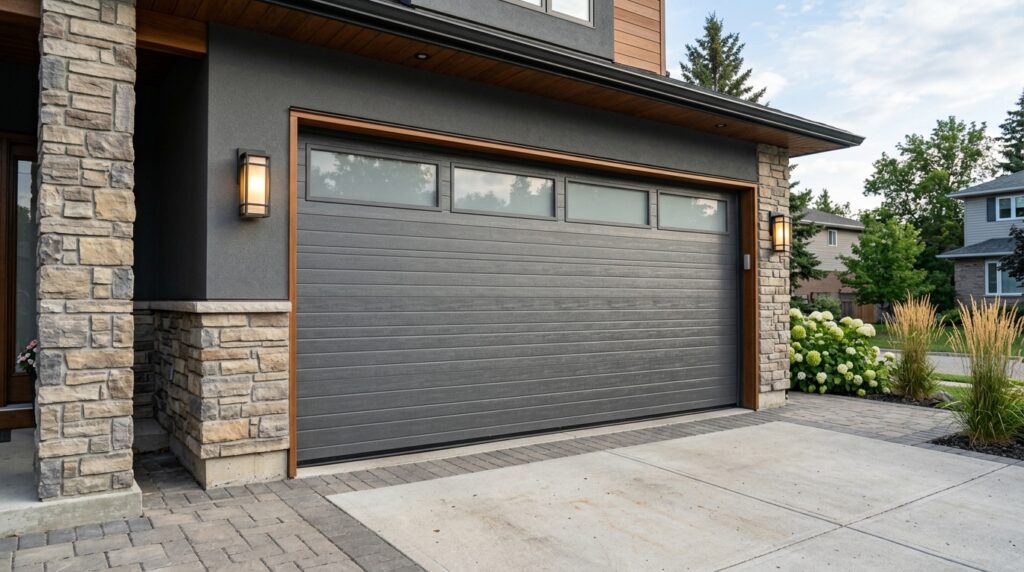
Replacing a garage door often delivers one of the best returns on curb appeal spending. A well-chosen, correctly installed door adds both aesthetic and practical value to a Mint Hill home. Timing matters too. Avoid scheduling replacements during summer storms or deep winter cold; spring and fall offer the most predictable conditions for exterior work in this region. If your budget is phased, prioritize structural and safety items such as new springs and balanced tracks, then add cosmetic upgrades later.
If you want a no-pressure walkthrough, many local companies, including Rise Up Garage Doors, offer consultations that combine measurement, demo of sample materials, and an honest assessment of what can be deferred versus what must be addressed now. Good installers will point out what you can save on and where skimping will cost more in five years.
Prepare well and the new door will stop being a problem and start being an asset. The effort you invest before installation is small compared with the comfort and reliability you gain afterward.
Rise Up Garage Doors
Mint Hill, NC, United States
+1 (980) 240-2447
[email protected]
https://riseupgaragedoors.com/